
The best buildings shine for their ability to spark a feeling in those who witness them. Whether it’s curved, intersecting lines that play with light and shadow, evoking a grounding sense of comfort; or a high, vaulted ceiling that inspires a sense of wonder and limitlessness. In this emotion-driven form of building design, Frank Gehry was a master.
The famed architect, who died on December 5 at the age of 96, became known to the world for his audacious works, which use shape and light and material as vehicles for surprise and whimsy.
Become an S Insider
The latest in fashion, beauty, design, and arts & culture.
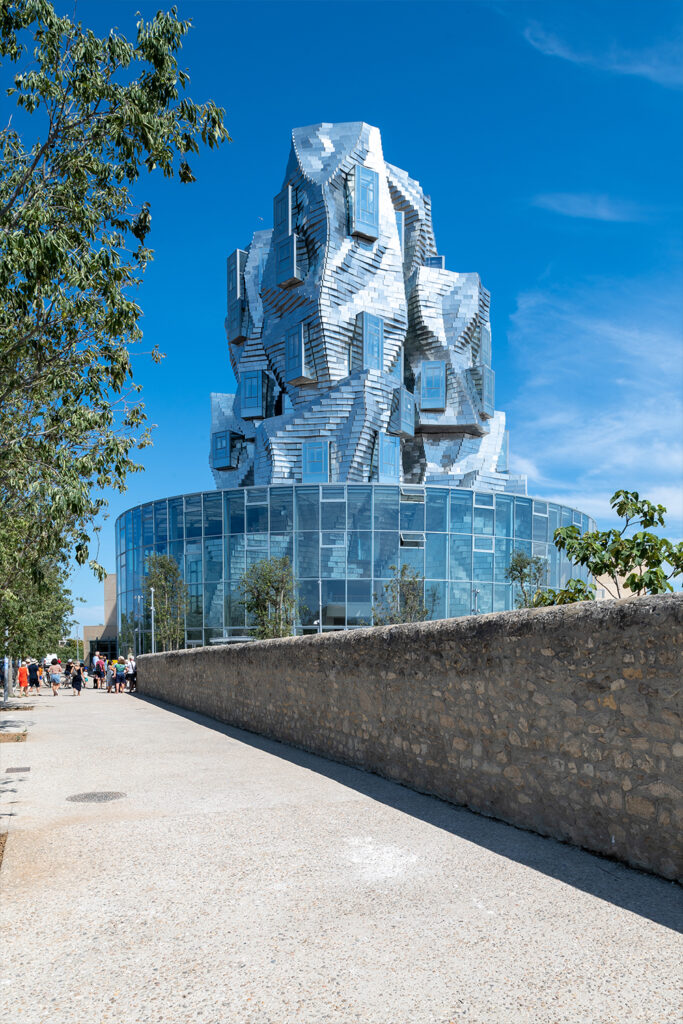
Gehry was born in Toronto and moved to Los Angeles when he was a teenager. He studied architecture at the University of Southern California and eventually opened his own firm; in 1989, he won the esteemed Pritzker Architecture Prize, and in 2016 he was awarded the Presidential Medal of Freedom by then-U.S. President Barack Obama. His buildings—a mix of residential and commercial projects—brim with curiosity and feeling.
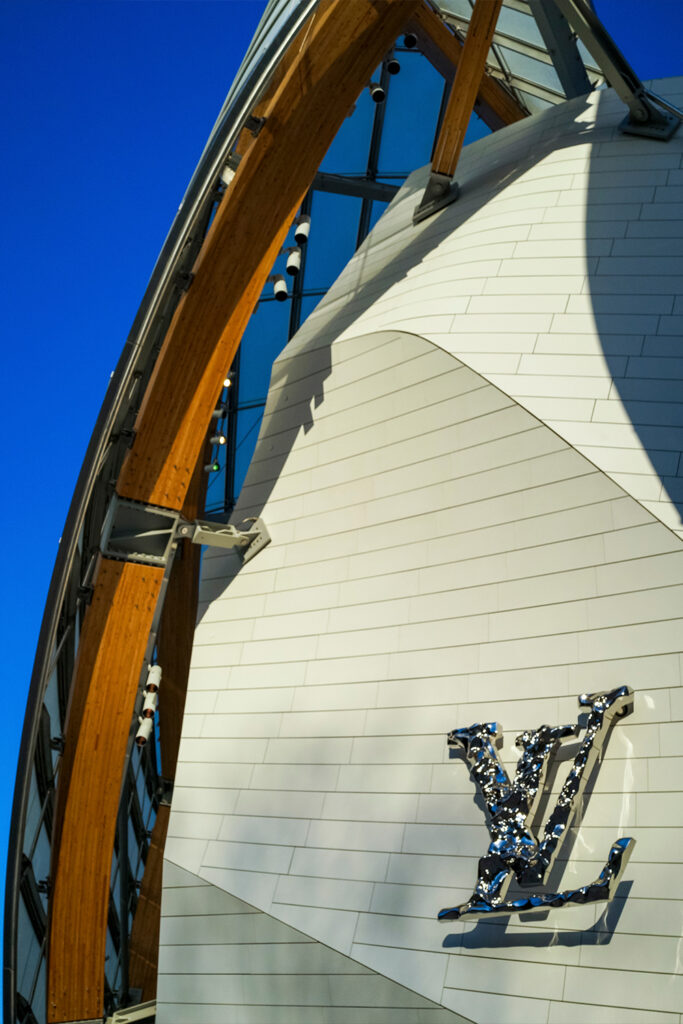
There is the Art Gallery of Ontario, which Gehry redesigned in 2008. The Toronto landmark was his first building in his birth country, and it remains as influential and important as the artworks housed inside. Externally, a striking glass facade envelops the building in its embrace; internally, a flagship spiral accessibility ramp made of Douglas fir exudes a quiet confidence. The mix of smooth wood and shiny glass is seen throughout the space, with natural light pouring in from large windows and artfully-placed skylights.
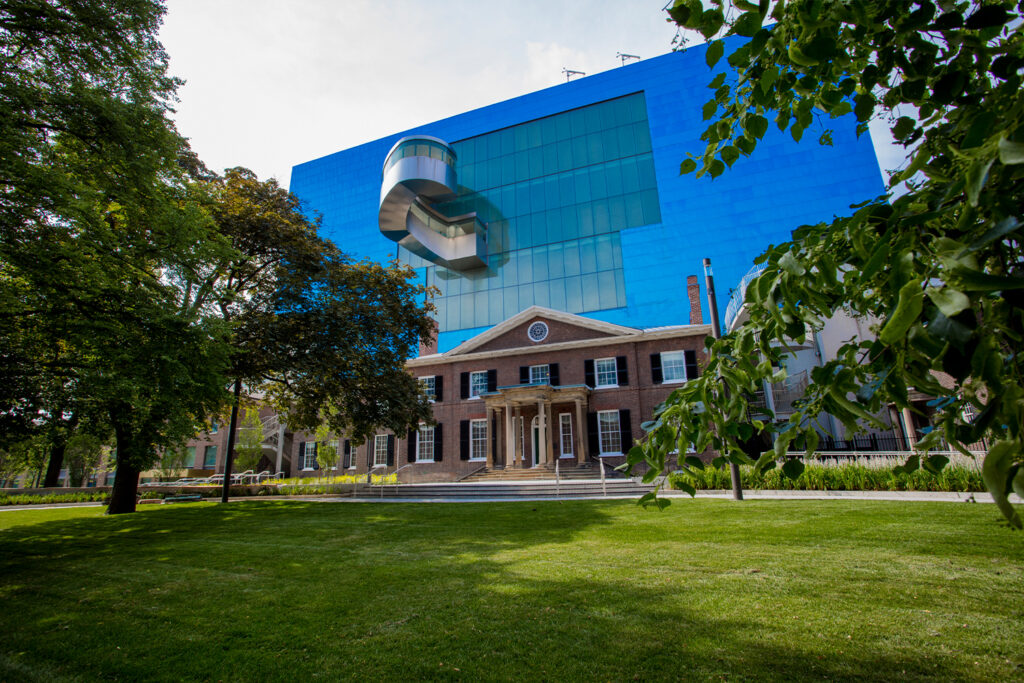
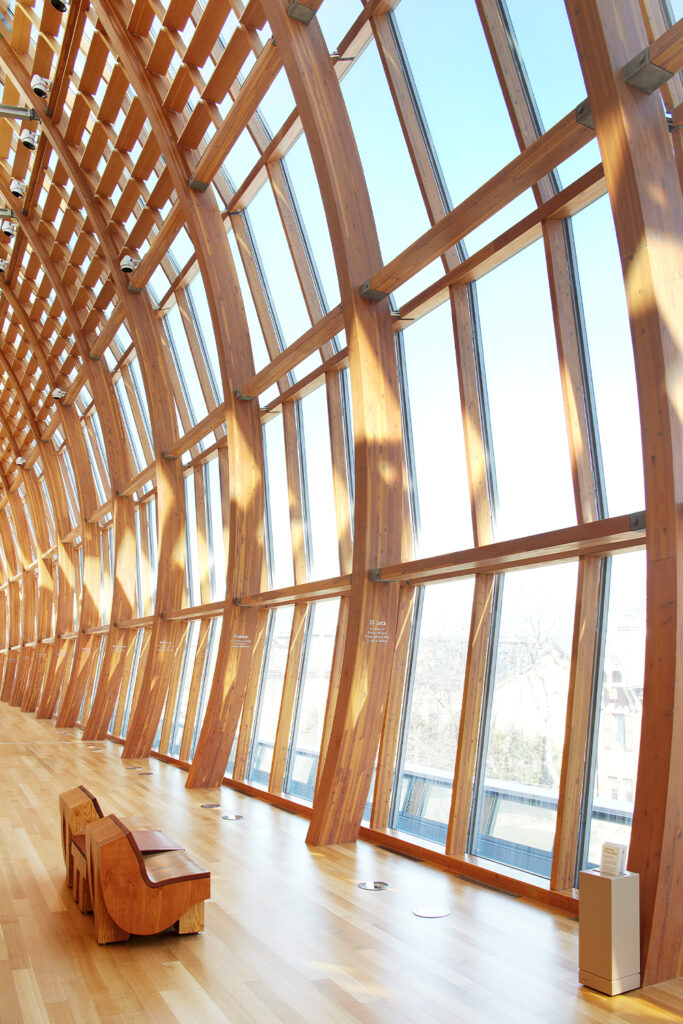
Remembering Architect Frank Gehry: A Master of Shape and Light
1 / 2
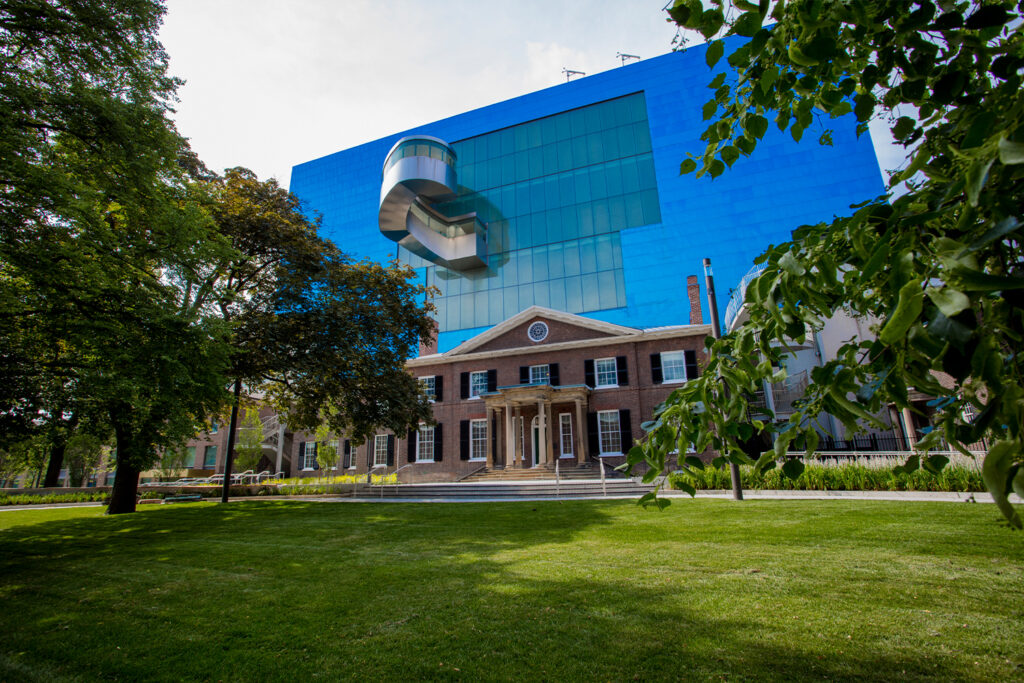
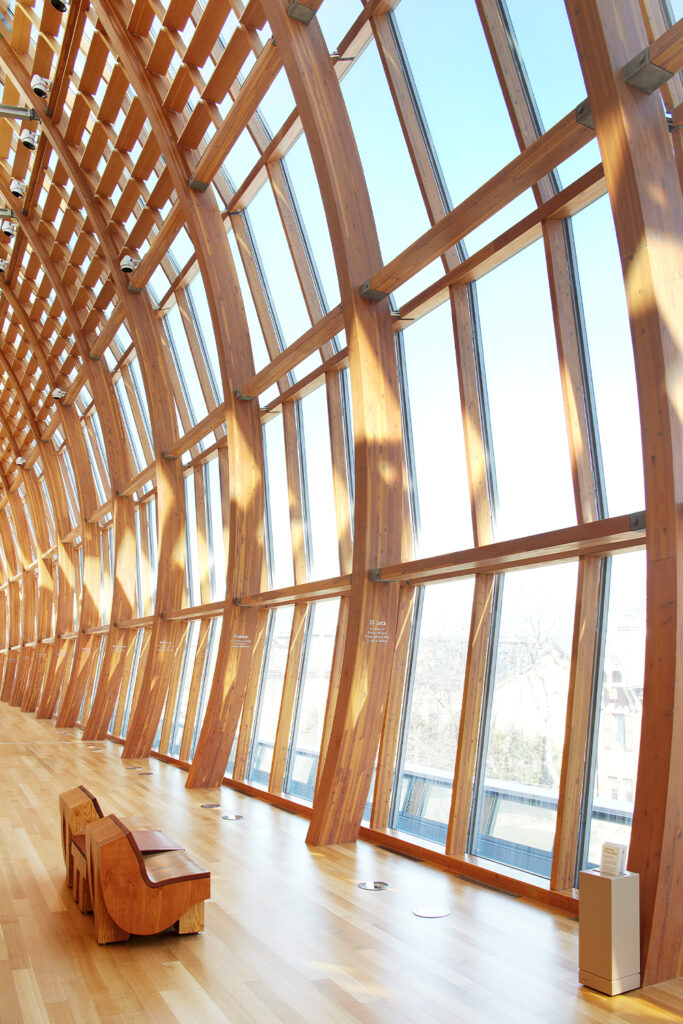
Photos courtesy of the AGO.
Equally revered is the Walt Disney Concert Hall in Los Angeles, home to the Los Angeles Philharmonic and opened in 2003; the daring work has a curved and flowing stainless steel skin, with different shapes and sizes reminiscent of the instrumental array that make up an orchestra. Or there is 1997’s Guggenheim Museum in Bilbao, Spain: a groundbreaking project using titanium and limestone to create a sculptural exterior that appears to pulse and sway along the city’s shore.
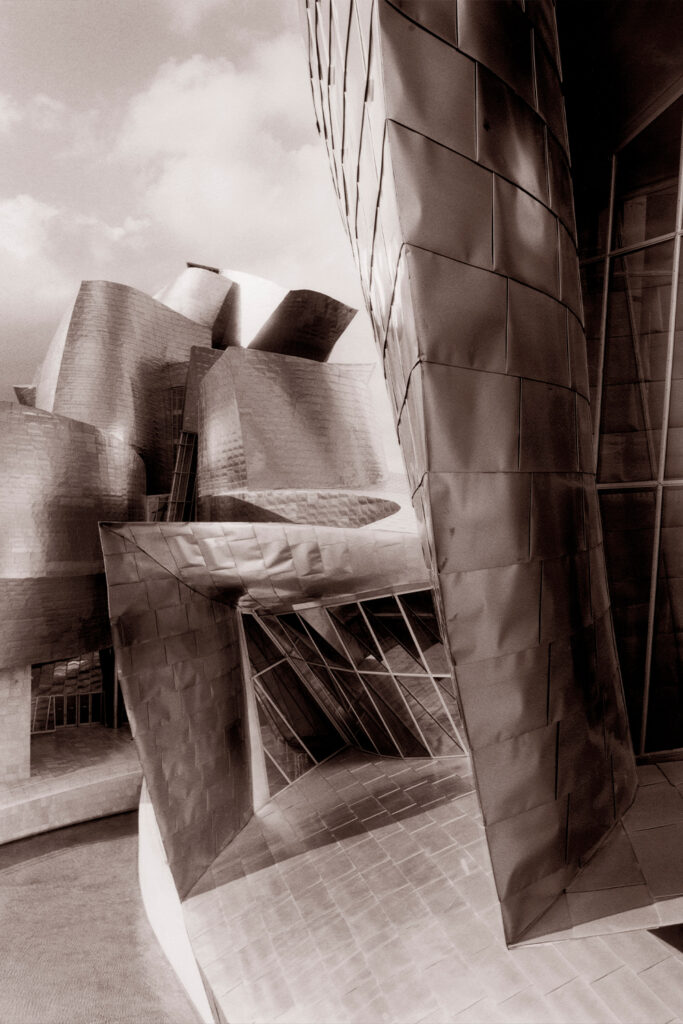
Gehry’s legacy will live on through his works, each one a testament to bold, big-thinking design—and each one a sweeping example of architecture’s ability to offer us so much more than shelter.
Feature Image via Getty.