
RepresentASIAN Project, one of Canada’s leading media platforms dedicated to showcasing the Asian diaspora, has just launched its first docu-series, GENERASIANS. Through intimate storytelling, the series illuminates the passing of the torch within Asian Canadian family-run businesses. As the next generation works to advance these businesses in a changing landscape, it reveals the personal and professional realities of succession, from looming cultural expectations and tight financial pressures to evolving ambitions and redefined success.
As a daughter of immigrants herself, the founder and visionary behind the series, Madelyn Chung, was interested in exploring expectations, gratitude, and the layered conversations around identity, belonging, and the future. With Asian Canadians among the most entrepreneurial communities in the country, the series spotlights stories often on the sidelines—but where sacrifice, risk, and resilience are always at the forefront.
Become an S Insider
The latest in fashion, beauty, design, and arts & culture.
Last week, S Magazine sat down with Chung to chat all about her new series.
What inspired you to create the GENERASIANS series, and what was the initial driving force behind it?
This idea actually started about four years ago. It was that in-between period—post-pandemic, but still very much feeling like we were in it. At the time, I had just launched the RepresentASIAN Project and was connecting with more people in the community, becoming increasingly familiar with Asian-Canadian family-run businesses.
I began noticing a pattern: many second-generation individuals wanted to step in to take over their family businesses, especially as those businesses struggled during the pandemic. That got me thinking—what does it really mean to take over a family business? There are obvious professional implications, but also deeply personal ones, too.
As a child of immigrants myself, I was especially curious whether others were experiencing similar relationship dynamics with their parents. The questions I wanted to explore were: What values, traditions, and morals do you hold onto? Which ones are you willing to let go of and when? And how do those choices play out, both professionally and personally, within your relationship with your parents?
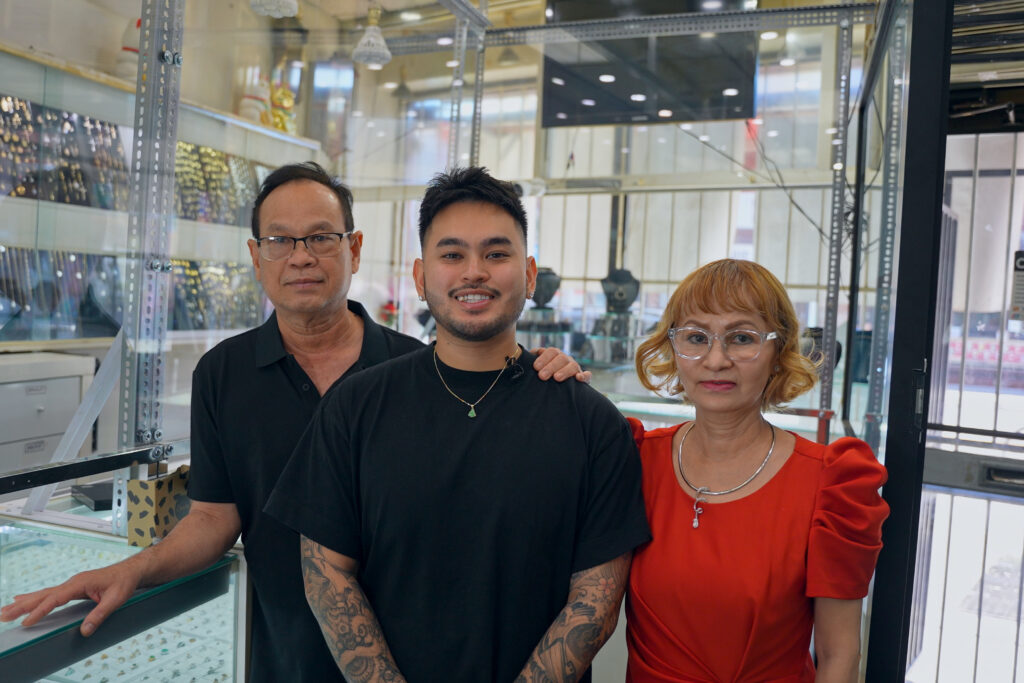

Across the series, why did you choose to focus on family businesses as the lens for storytelling?
I think family businesses are a cornerstone of immigrant communities. Many immigrants come to Canada and start businesses that become their livelihoods. So I thought exploring that was really cool. There’s also more dynamics when you think about a family business, the passing down of something, and legacy.
How did you go about selecting the businesses and individuals featured in the series?
When choosing these businesses, it was people I had already built relationships with. I knew their stories were compelling and enticing, and they trusted us to tell them.
During filming, what key differences did you observe across generations in terms of cultural expectations and identity?
Parents were initially much more hesitant, but they eventually opened up. I also noticed that the parents were resistant to change. They were very much in survival mode, thinking, ‘How do we keep this business alive?’ They felt it might not be worth trying something new, as it could be too risky or costly, and preferred to stick with what they knew.

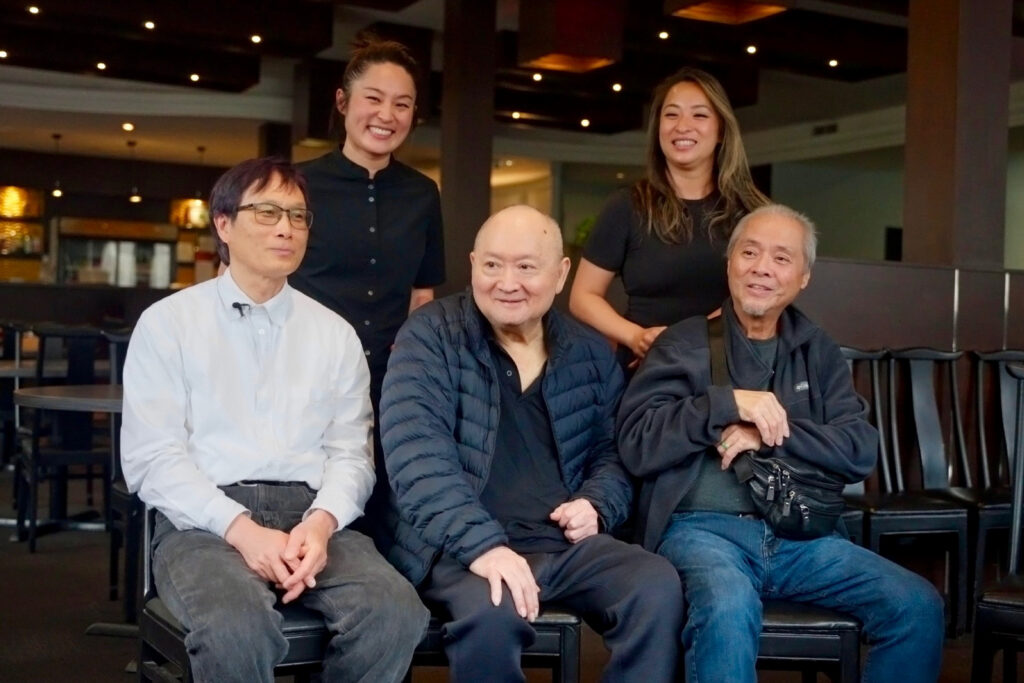
Across the second-generation subjects, there’s a shared desire and yearning to make their parents proud. What stood out to you about this emotional weight across your conversations?
For a lot of second generations—especially in the Asian community—it’s an inside joke that your parents will never say that they are proud of you. Even in Chinese, there’s no direct translation for “I’m proud of you.” So when the second generation sees their parents’ responses in the series, it’s super touching because it’s something we all crave naturally.
The series brings forward voices that are often behind the scenes or moving in the background. Why was it important for you to center these perspectives?
Because we don’t see them enough, and that’s exactly why I started the RepresentASIAN Project; there were very specific portrayals of members of the Asian community in mainstream media. So, I wanted to show a more nuanced perspective. Storytelling is a powerful tool for shaping cultural narratives and identity, and when done well, it can help us better understand ourselves and each other.

What do you hope viewers take away from the series?
Empathy. Empathy for the parents who started a business and the hardships they’ve gone through; empathy for the next generation and the pressures of taking over this business; empathy for immigrants and families struggling to keep their businesses alive.
The GENERASIANSseries can be watched on YouTube here.