
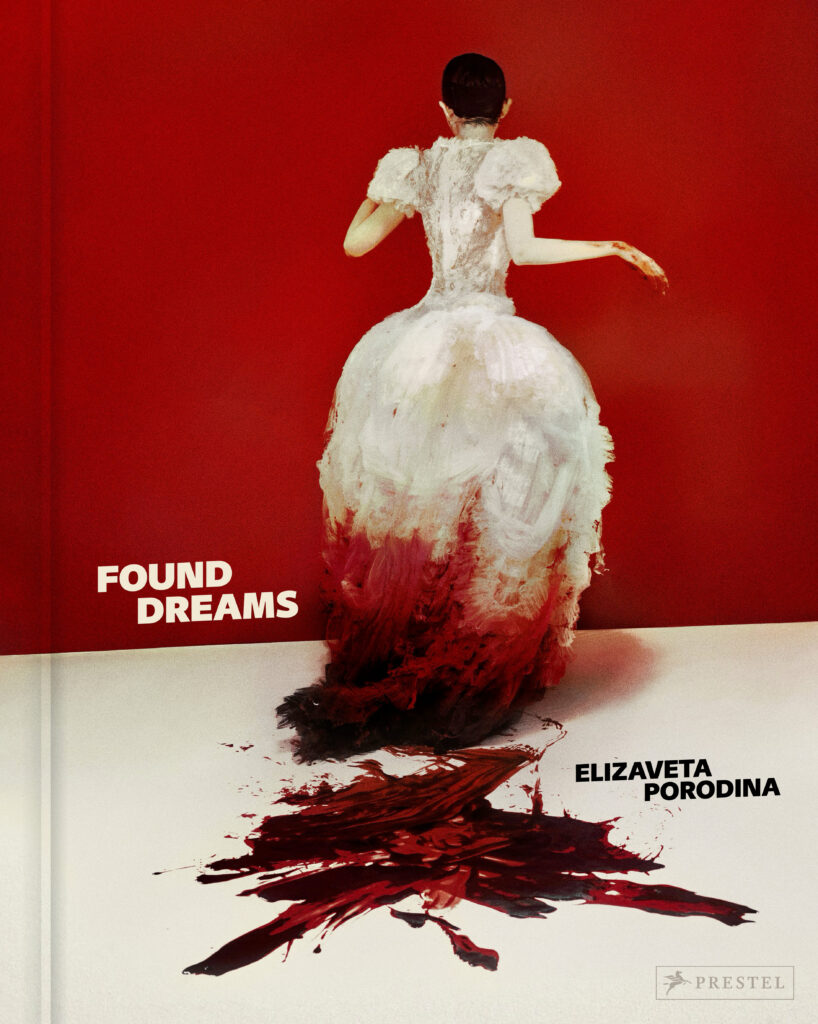
What if every photograph were a glimpse into the subconscious? In Found Dreams, celebrity-favoured photographer Elizaveta Porodina sets out to do just that. Bringing together three years of work (plus a foreword by Ariana Grande), Porodina explores the shift between reality and fantasy, and the inherent connection between the two.
While Porodina has long wanted to make a book, every carefully selected image has to tell a story. Each photograph needs to do more than be visually striking; it has to say something. And as you turn the pages, the images begin to speak for themselves. They offer a peek into Porodina’s dreamscape, with musings on femininity, beauty, identity, and transformation peppered throughout.
Become an S Insider
The latest in fashion, beauty, design, and arts & culture.


Enter the Dreamworld of Elizaveta Porodina
1 / 2

S Magazine sat down with Elizaveta Porodina and chatted about all things dreams and the art of visual storytelling.
Your book, Found Dreams, brings together three years of work. What was the driving force behind the project?
I suppose it’s not quite a retrospective, because I’m not dead yet, but it compiles my efforts over the last three years. During that time, I’ve been obsessed with exploring certain ideas in the book, particularly the space between reality and dreams.

We use the expression “dream-like” so casually that we rarely stop to consider what it actually means. I felt compelled to explore that question more deeply. David Bowie once said that understanding the nature of dreams, and the possibilities of dreaming, is key to understanding humanity, and I tend to agree.
I think dreams are a portal into our own subconscious, but also into a collective subconscious. They offer a way of understanding how everything is connected, how everyone is connected, and how everything might be happening all at once. To me, it was important to hold these thoughts dear and keep them at the forefront of my understanding of life.
How did you approach selecting the photographs for the final edit?
Sometimes, as an artist, you want to express something so badly that you end up saying it multiple times in different ways. For the book to make sense, every image needs to lead into the next without repetition. Each photograph should reveal a different aspect of an idea, perhaps its shadow or its light, rather than simply repeating what has already been said.
Whenever I felt an image was repeating a statement instead of continuing the narrative, I removed it, regardless of how aesthetically pleasing it was or how viral it went. The photographs needed to function as a storytelling device, not simply as beautiful images. I wanted the book to have multiple layers, almost like watching a film or moving through a dream.


Enter the Dreamworld of Elizaveta Porodina
1 / 3
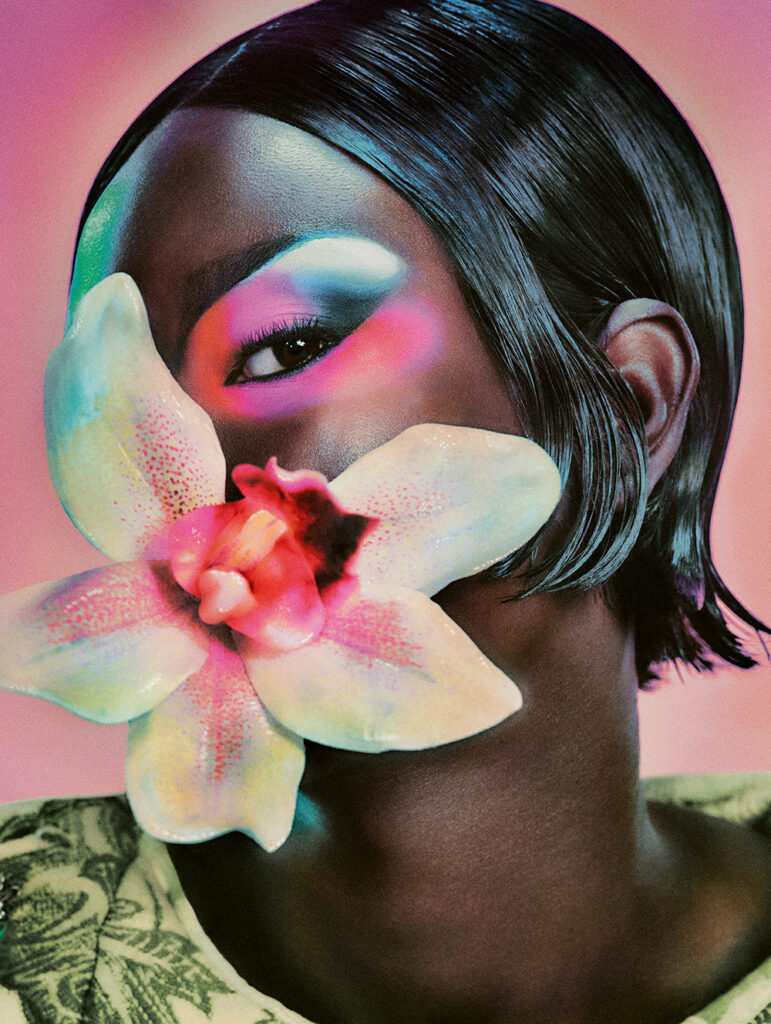
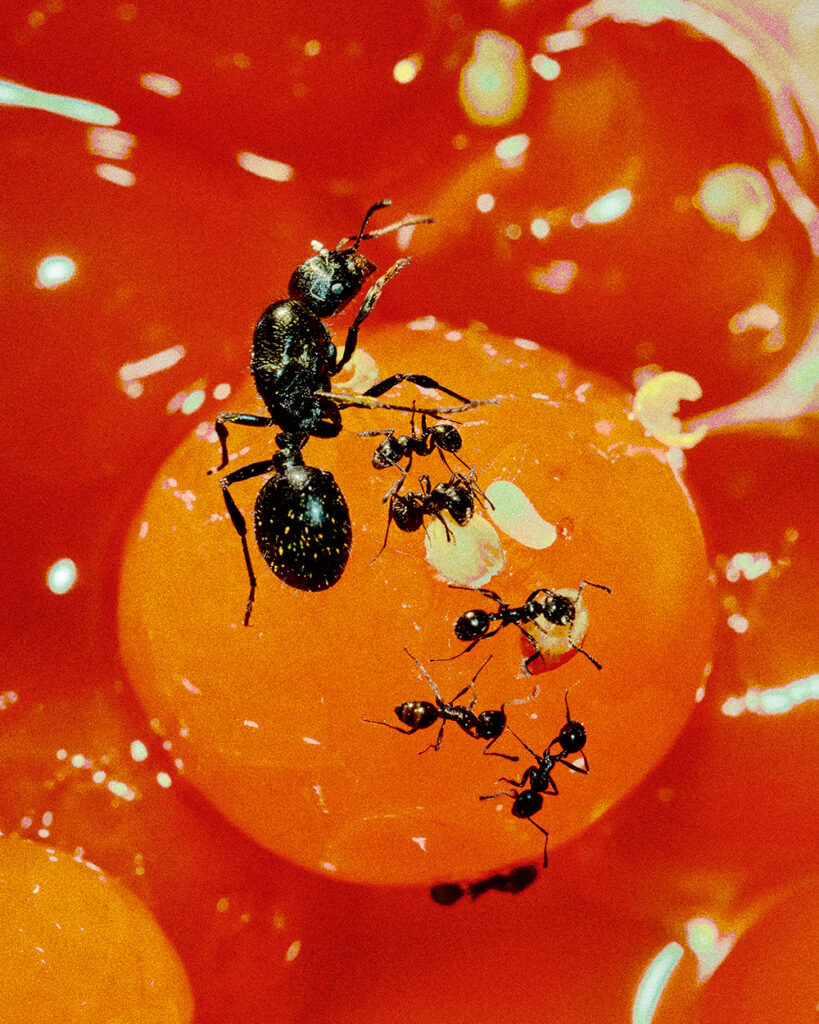

When photographing someone else, how do you ensure the image reflects your own visual language while still allowing the subject’s individuality to come through?
I think the process involves getting out of my own way as much as possible. I don’t spend too much time worrying about whether an image feels sufficiently like me or sufficiently like the person I’m photographing. By letting the person be present without imposing rigid elements that feel unnatural to them, the image automatically becomes a meeting point between us.
I find it interesting to build an environment that feels universal and abstract enough to tell a multilayered story, while leaving room for the subject to interpret it in their own way.
The image of the heroine, the warrior and the mother seems to recur throughout your work. What draws you to these archetypes?
There are certainly more archetypes in the book, and I welcome people discovering them for themselves. I’ve hidden quite a few in there.
Perhaps they are unified by the archetypes I’ve discovered within myself. As artists, we can only portray what we can see through our own filters. What someone finds in the work reflects both their own perspective and what I have been able to recognize within myself and others at this particular stage of my human and artistic development.


Enter the Dreamworld of Elizaveta Porodina
1 / 3
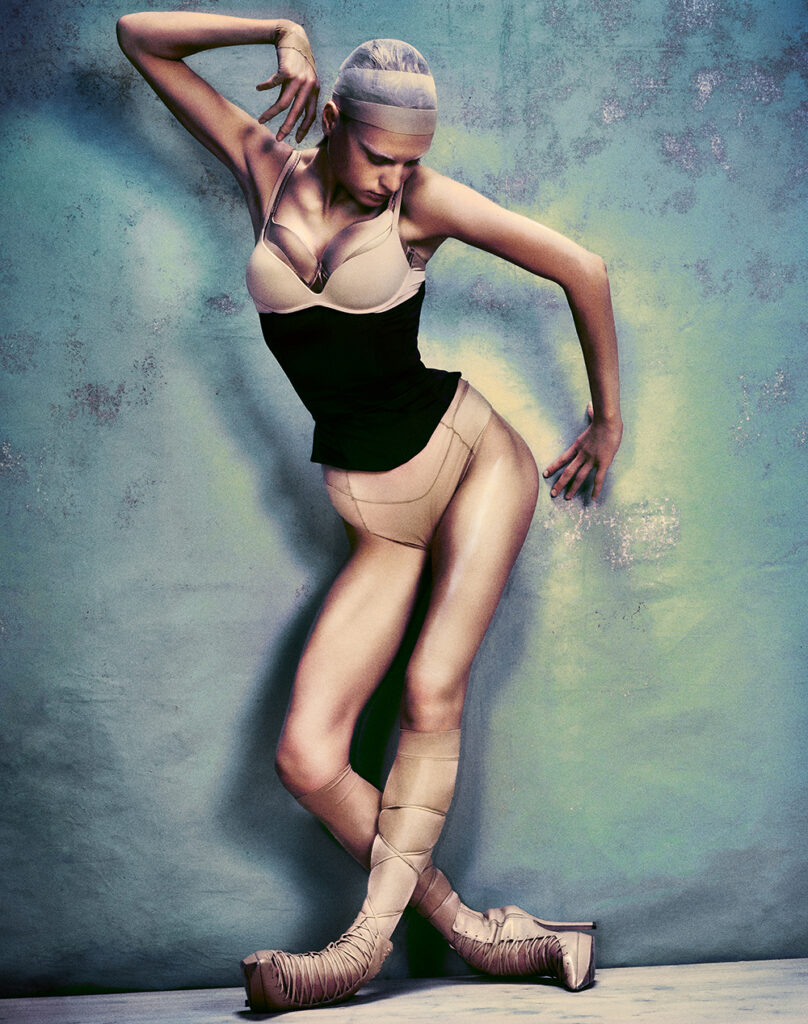
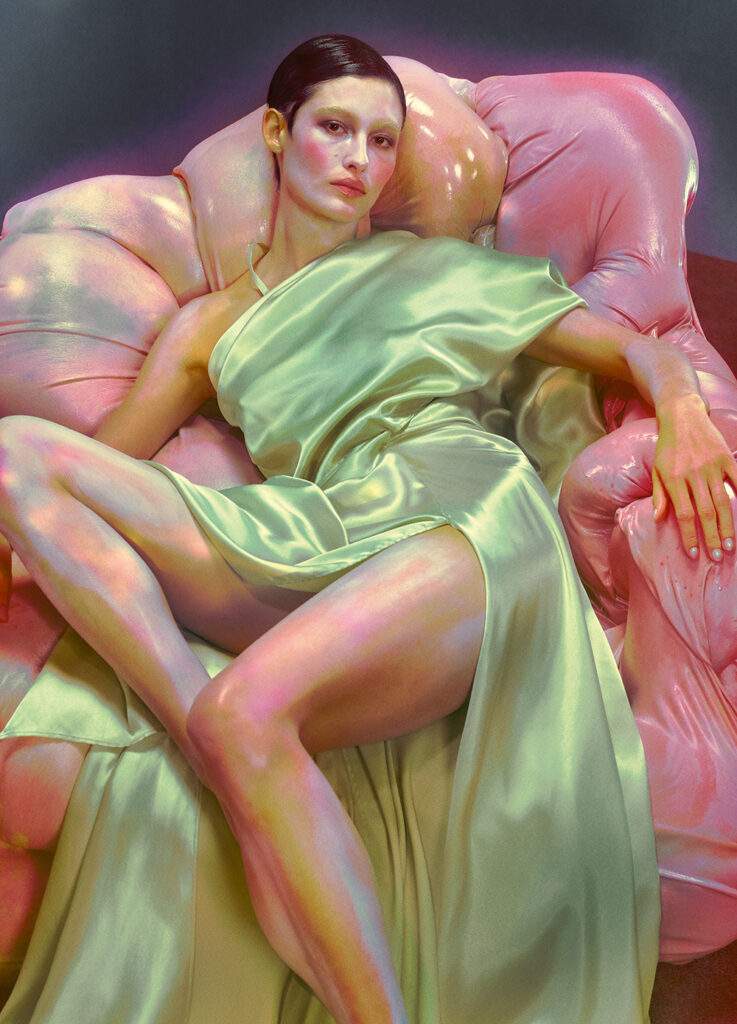

So these recurring figures also reflect your own personal journey?
Absolutely. In a way, every project I undertake is personal, whether I’m commissioned to do it or investing my own money in it. Every project depicts something of myself. Even when I’m photographing someone else, I’m also photographing them through my own perspective. In that sense, every image becomes a kind of self-portrait, too.
Enter the Dreamworld of Elizaveta Porodina
1 / 2
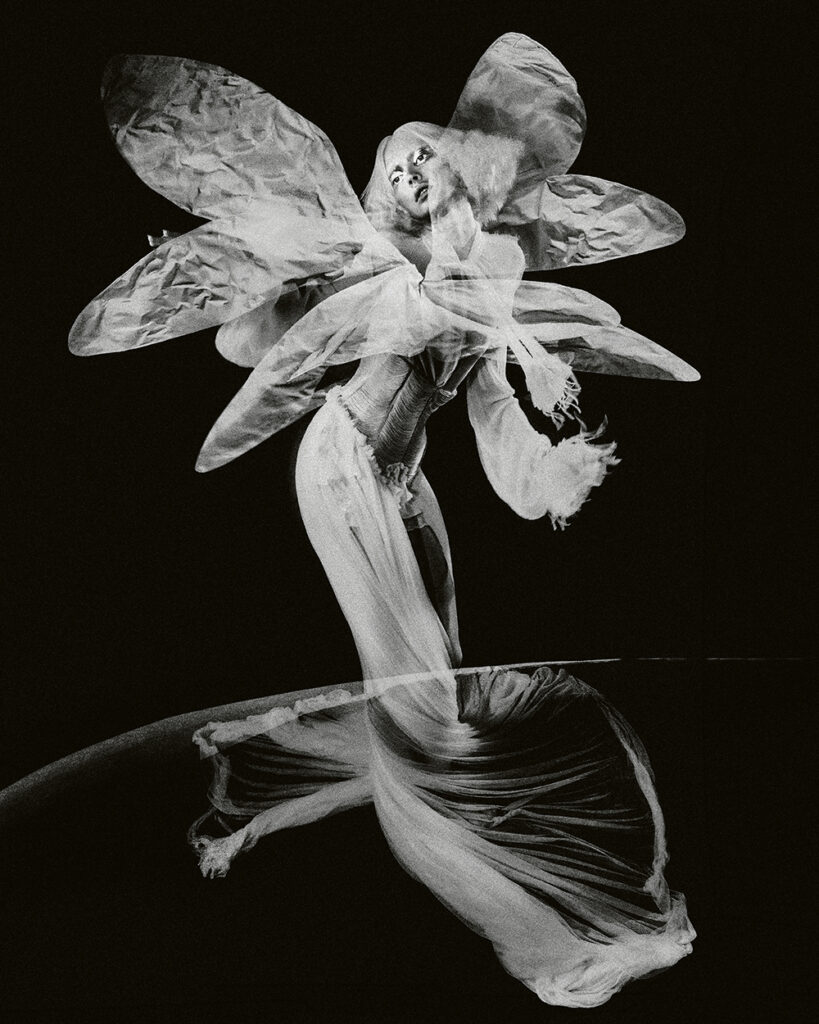

The title Found Dreams suggests both discovery and a descent into the subconscious. How did you arrive at that?
I wanted the title to bring together several different ideas. First, I wanted to play with the concept of found footage: the feeling of opening a box and discovering a collection of old family photographs, then becoming completely absorbed in them.
I wanted the book to feel like a collection of documented dreams, something discovered and pieced together rather than presented as a single, straightforward narrative. At the same time, I wanted to convey a trajectory: a person’s descent into a dream and their gradual revelation through that dream.
Elizaveta Porodina: Found Dreams, edited by Nadine Barth and Elizaveta Porodina © 2026 with Prestel Publishing, is out now.
Feature image © Elizaveta Porodina, 2026.


